The One Device Everyone Forgets Is a POTS Line
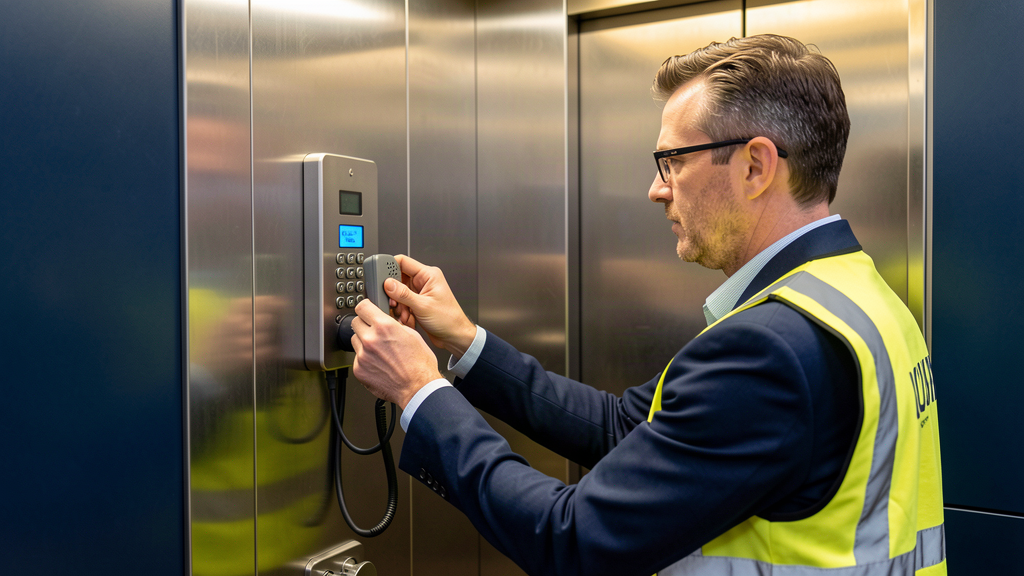
Every building has at least one device that still runs on a dedicated copper phone line, and almost nobody thinks about it until it stops working: the elevator emergency phone.
It's the quietest device in the building. It doesn't ring. It doesn't send email. It just sits in the cab, wired to a POTS line that's been there since the elevator was installed. And that's exactly why it's the most dangerous compliance exposure you have right now.
Carriers are retiring copper at an accelerating pace. Your elevator phone line is probably already degrading — you just can't tell, because nothing uses it.
Why Elevator Phones Fail Silently
A regular phone line gets used every day. Someone picks it up, someone dials out, and if it's dead you know within hours. An elevator phone is different. It might go months — or years — without a single call.
That means a dead line can sit there unnoticed through an entire quarter, through an annual inspection cycle, even through a real entrapment. The first time you discover the line is dead is the worst possible moment: a passenger is stuck, they press the button, and nothing happens.
This isn't hypothetical. I've walked into buildings where the elevator phone hadn't placed a successful call in over a year. The line had been quietly disconnected by the carrier, and nobody knew until the inspector showed up.
What the Code Actually Requires (And Why It Raises the Stakes)
ASME A17.1 requires a two-way communication means in every elevator car that connects to authorized personnel available 24/7. Not a voicemail. Not a front desk that closes at 6 PM. Someone who can take action.
When your elevator phone runs on a dying copper line, you're not just risking a red tag. You're risking a scenario where the phone doesn't work at the exact moment a passenger needs it — which is both a life-safety failure and a liability event. That's a different level of exposure than a missed test signal.
The copper sunset turns a routine compliance item into an urgent migration.
What Breaks When You Migrate (And How to Avoid It)
Replacing an elevator POTS line isn't hard. But there are three places people get it wrong, and all three can fail inspection:
Signal penetration. A cellular communicator in the elevator machine room has to reach a tower from inside a concrete-and-steel box, often in a basement or penthouse. If you don't verify coverage in that specific room before you cut over, you've traded a dying copper line for a dead cellular one. Test the signal where the equipment lives, not at the front desk.
Battery backup. The code requires the elevator phone to work during a power outage. Your replacement has to carry its own battery backup — and someone has to actually test that battery. A communicator with a dead battery is no better than a dead line.
24/7 routing. The phone has to connect to a live human who can dispatch help, at 3 AM on a Sunday. If your migration routes the call to a line nobody staffs, you've made the problem worse, not better.
The Migration Playbook
Don't wait for the disconnection notice. Here's the order we walk clients through:
- Inventory every elevator phone path. Where does the call actually route today, and who answers off-hours? Test it on a weekend, not Tuesday at 10 AM.
- Check line health. A POTS line can be degraded for months before it dies outright. If you hear static or the connection drops, that's your warning.
- Pick a compliant replacement. For most buildings, a dedicated cellular communicator with battery backup and 24/7 monitoring routing is the cleanest path. It removes the copper dependency entirely and gives you an auditable trail.
- Verify before you cut over. Confirm signal in the machine room, test the battery, and run a live call to the monitoring center during a simulated outage.
- Document everything. Inspectors want to see test logs and proof of 24/7 coverage — not a verbal assurance that the phone "should work."
Don't Let the Copper Sunset Catch You Off Guard
The carriers aren't going to wait for you to be ready. The disconnection notices are already going out, and an elevator phone that fails inspection means a red-tagged elevator — out of service until you fix it, at a cost far higher than the migration itself.
If your elevator phones still run on POTS, start the migration now — before the carrier decides the timeline for you.
Need help moving your elevator phones off copper? TrustedNetworx manages compliant elevator emergency communication for multi-site and multi-building portfolios — cellular replacement, battery-backed power, and 24/7 monitoring routing that passes inspection. Contact us for a free compliance assessment.
About the author
Carter Dewey
Carter Dewey is CEO & Founder of TrustedNetworx, helping multi-site organizations navigate telecom modernization, POTS replacement, and AI-powered operations — translating complex infrastructure challenges into practical, phased migration roadmaps.