Pre-order — specifications are preliminary (EVT stage) and subject to change.
POTS IN A BOX® 90X5
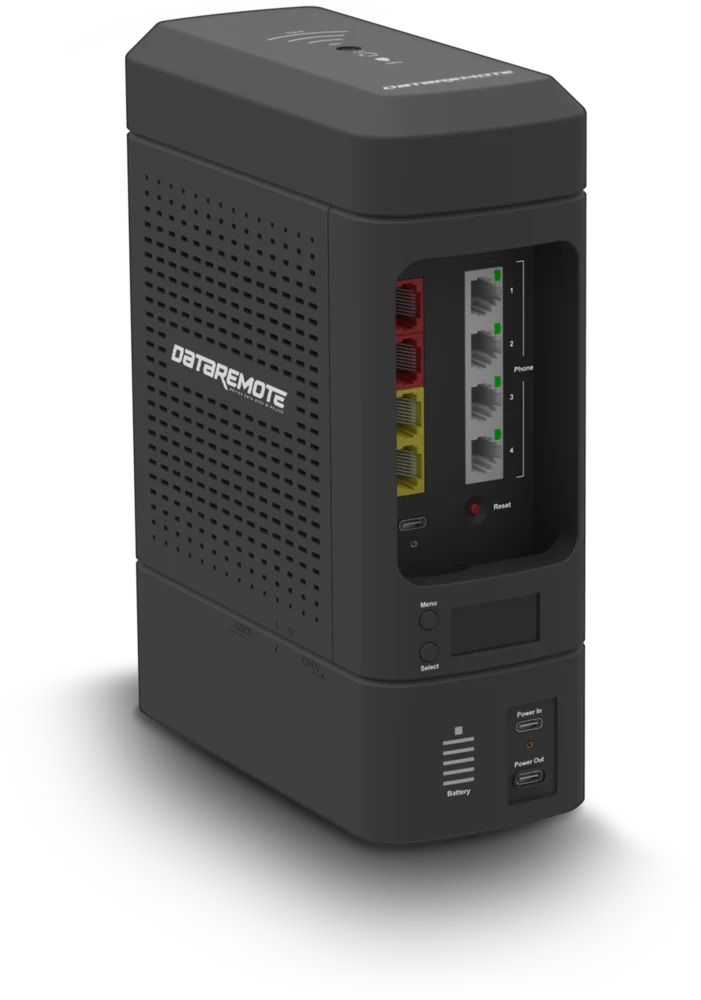
A three-module platform whose cellular radio detaches and relocates over a standard PoE Ethernet run — so the antenna goes where the signal is, not where the cabinet is.
- Detachable PoE radio
- 4 FXS, expandable to 8
- 5G RedCap + LTE fallback
- 24 hr / 87 Wh standard
What the unit actually does.
Six capabilities decide whether a line-replacement deployment works or generates tickets. Here is where the 90X5 stands on each.
- 01
The radio leaves the cabinet
The cellular module detaches and mounts up to a standard PoE Ethernet run away from the chassis, so the antenna goes where the signal is while the gateway stays with the panel.
- 02
Four lines, expandable to eight
Four FXS ports ship standard with POTS IN A BOX line technology, expandable to eight via RJ-14 without changing the chassis.
- 03
5G RedCap with LTE fallback
Dual-SIM — one physical, one eSIM — on a 5G RedCap radio that falls back to LTE, with an optional 5G NR Sub-6 module for sites that need the throughput.
- 04
Battery sized to the site
A 24-hour 87Wh lithium-ion pack is standard, with 8-hour, 48-hour and no-battery configurations available, and the module is swappable in the field.
- 05
A 1 Gb/s router underneath
Four WAN/LAN ports, two of them PoE, on a 1 Gb/s router platform — the same box can carry primary or backup internet for the whole site.
- 06
Same fleet, same management
Full Ara support including provisioning across the modular hardware variants, so a 90X5 appears in the same console as every 90X1 and 90X2 you already run.
Three independent modules, one platform.
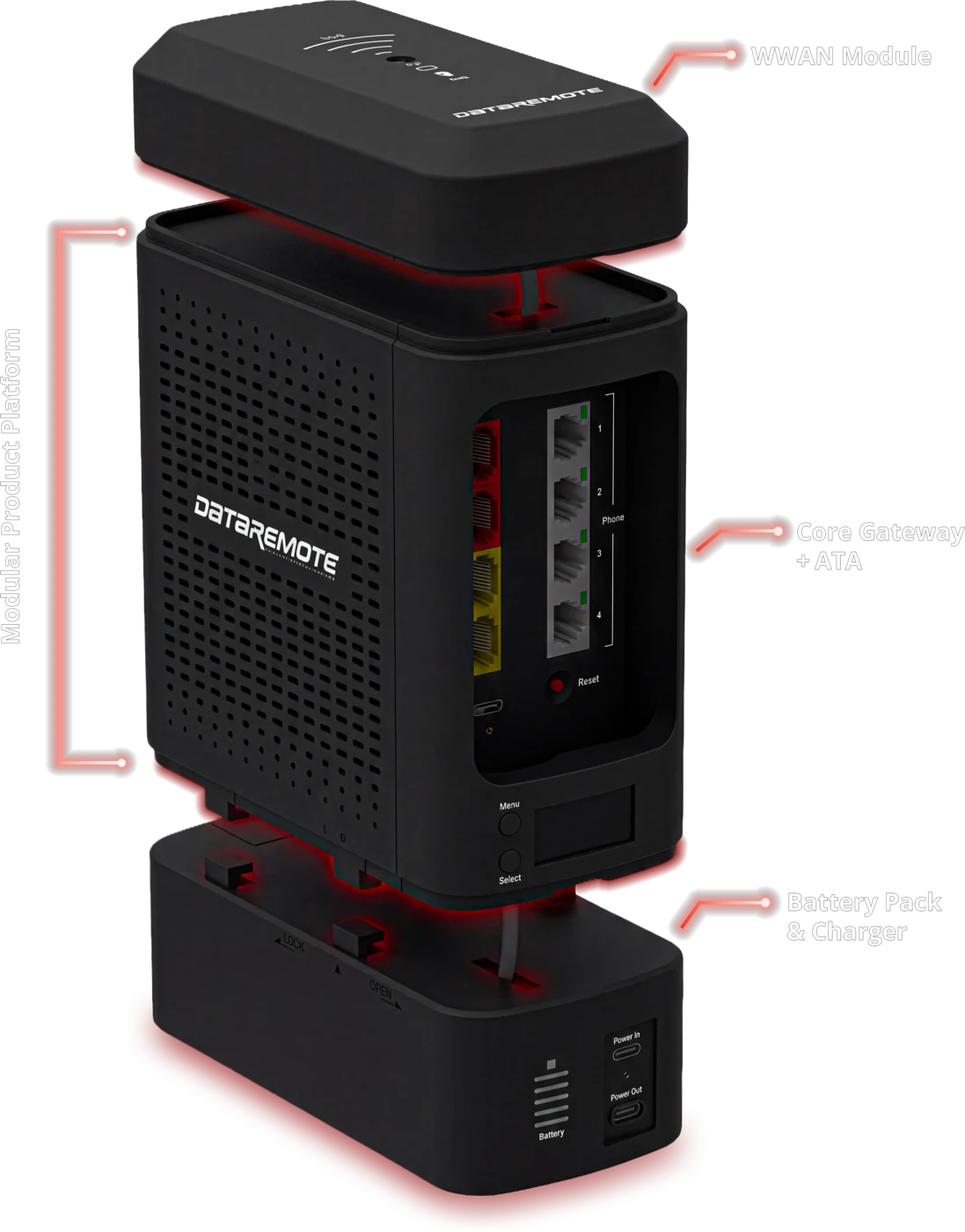
Every other POTS replacement forces the same compromise: the box has to sit near the analog endpoints, but the radio needs to sit near a window. The 90X5 separates them. The cellular module detaches and mounts up to a standard PoE Ethernet run away, while the gateway and battery stay in the cabinet with the panel.
- 01
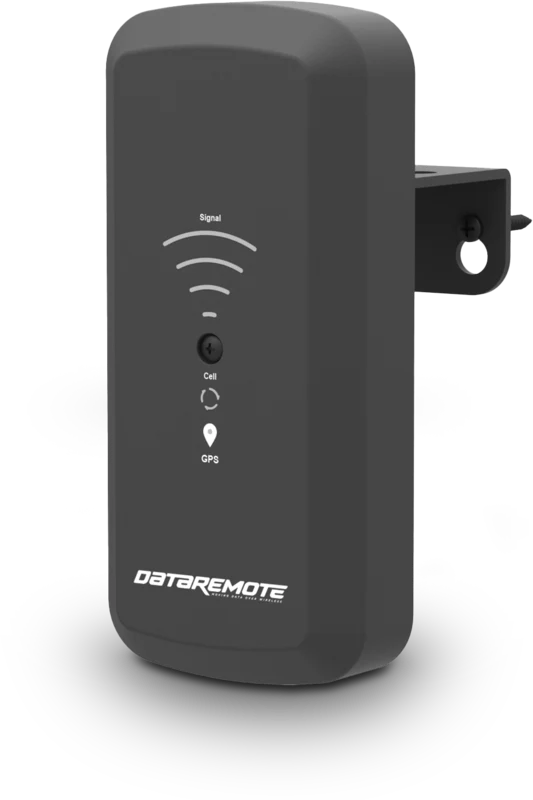
Cellular WWAN module
Detaches and relocates to the best signal position over a standard PoE Ethernet run.
- Radio
- 5G RedCap with LTE fallback
- SIM
- 1 physical SIM + 1 eSIM
- Location
- GNSS and E911
- 02
Core gateway / ATA
The routing and voice core — where the analog lines and the Ethernet ports terminate.
- Analog lines
- 4 FXS standard, expandable to 8 via RJ-14
- Ethernet
- 4 × WAN/LAN, 2 with PoE
- Display
- OLED status display
- 03
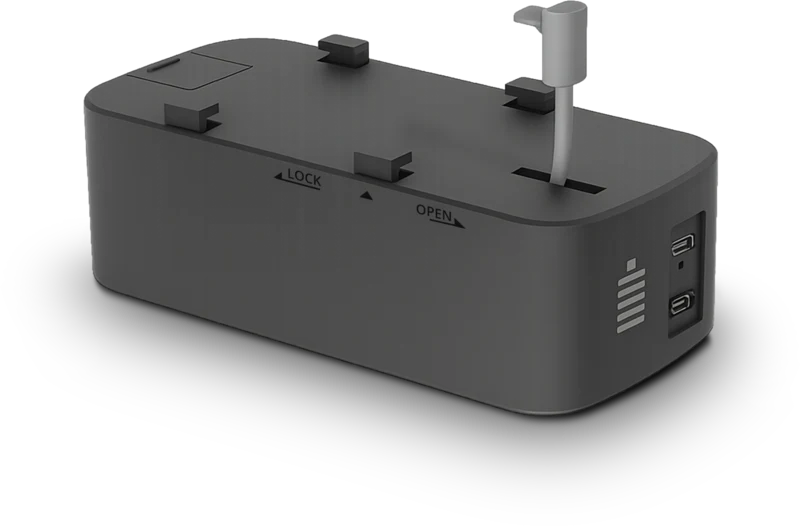
Power / battery / charger
Swappable in the field, and sized to the runtime the site actually needs.
- Standard
- 24 hr / 87 Wh lithium-ion
- Options
- 8 hr, 48 hr, or no battery
- Mounting
- Tabletop, or wall and board mount
Expansion options
- Battery
- 8-hour, 24-hour, 48-hour, or no-battery configuration
- Wi-Fi
- Optional Wi-Fi 6 module, 2×2 MIMO
- Radio variant
- Optional 5G NR Sub-6 WWAN module
- Power
- Optional PDU module
- Accessories
- Mounting brackets, 19V PSU, PoE / RJ-11 / RJ-14 cables, USB-PD cable
At a glance.
Every other POTS replacement forces the same compromise: the box has to sit near the analog endpoints, but the radio needs to sit near a window. The 90X5 separates them. The cellular module detaches and mounts up to a standard PoE Ethernet run away, while the gateway and battery stay in the cabinet with the panel.
Best fitSignal-difficult buildings — basements, interior cabinets, thick-wall construction.
Module 1 — Cellular WWAN
- Radio
- 5G RedCap with LTE fallback
- SIM
- 1 physical SIM + 1 eSIM
- Location
- GNSS and E911
- Mounting
- Detaches and relocates over a standard PoE Ethernet run
Module 2 — Core Gateway / ATA
- Analog lines
- 4 FXS standard, expandable to 8 via RJ-14
- Ethernet
- 4 × WAN/LAN ports, 2 with PoE
- Display
- OLED status display
Module 3 — Power / Battery
- Standard
- 24 hr / 87 Wh lithium-ion
- Options
- 8 hr, 48 hr, or no-battery configurations
Optional modules
- Wi-Fi
- Wi-Fi 6, 2×2 MIMO module
- Power
- PDU module
- Radio variant
- 5G NR Sub-6
The lines that come off copper.
These are the endpoints still hanging on a dial tone. Each one terminates on an FXS port and rides the managed cellular path instead.
- Elevator emergency phones
- Fire alarm panels
- Burglar and intrusion alarms
- Fax machines
- POS terminals and ATMs
- Emergency call boxes
- Gate entry and callbox systems
- M2M and SCADA links
- Telemetry and remote sensors
- Utility meter reading
What we will not claim.
A missing certification is a fact worth publishing. Here is exactly where this product stands.
Certifications on the 90X5 attach per module rather than to the chassis, and DataRemote publishes no certification identifiers for any module while the product is at EVT stage. We will not represent this unit as fire-alarm capable until those identifiers exist. For life-safety endpoints today, deploy the 90X1 or 90X2.
Network layer
The device credentials above cover the equipment. The service obligations — E911 address association and dispatchable location, 911-call notification to designated contacts, and Kari’s Law and RAY BAUM’S Act support — are met on the MIX Networks voice network that carries the line. See how the three layers fit together.
Managed remotely, through Ara.
Every unit we deploy is enrolled in Ara, DataRemote's cloud management platform, and monitored by our NOC. Line-state changes raise an alert before the customer notices, and most faults are diagnosed without a site visit.
Ara platform detail- Remote device access
- Reboot and firmware
- Parameter control
- Line-status monitoring
- No-reboot configuration
- Syslog retrieval
What buyers ask about the 90X5.
If the answer you need is not here, ask us directly — the line audit below is free and comes back within one business day.
- Can we order the 90X5 today?
- It is available for pre-order. DataRemote describes the specifications as preliminary and based on EVT-stage product planning, and subject to change without notice. For anything going live in the next quarter, we would deploy the 90X1 or 90X2 instead.
- What does modular actually buy us?
- It solves the placement conflict. Analog endpoints are usually in a basement or a riser cabinet; cellular signal is usually near a window. On every other appliance you have to compromise on one. On the 90X5 the cellular module detaches and mounts over a PoE Ethernet run, so the radio and the gateway can sit in different places.
- How many phone lines does it support?
- Four FXS ports are standard, with an eight-port configuration available via RJ-14. That is half the standard capacity of a 90X1 or 90X2 at base configuration, which matters when you are sizing a site.
- Can we put fire alarm lines on it?
- Not yet, in our view. Certifications on the 90X5 attach per module rather than to the chassis, and DataRemote publishes no certification identifiers for any module while the product sits at EVT stage. We will not represent this unit as fire-alarm capable until those identifiers exist. Life-safety endpoints go on a 90X1 or 90X2 today.
- Does it work with the Ara fleet we already have?
- Yes. Ara supports the 90X5 including provisioning across its modular hardware variants, so it appears alongside the rest of your deployed units rather than in a separate console.
Compare the alternatives.
- DataRemote · 5G
90X1
Sites with 5G coverage carrying fire, elevator or emergency endpoints.
View specs - DataRemote · LTE
90X2
Sites without 5G, and anywhere FirstNet priority access matters.
View specs - DataRemote · Device management
Ara
Multi-site fleets where a truck roll costs more than the line does.
View specs
Get your free line audit.
Tell us about your sites and we'll come back with the right model, a deployment plan and pricing within one business day.
Form not loading? Open it in a new tab.