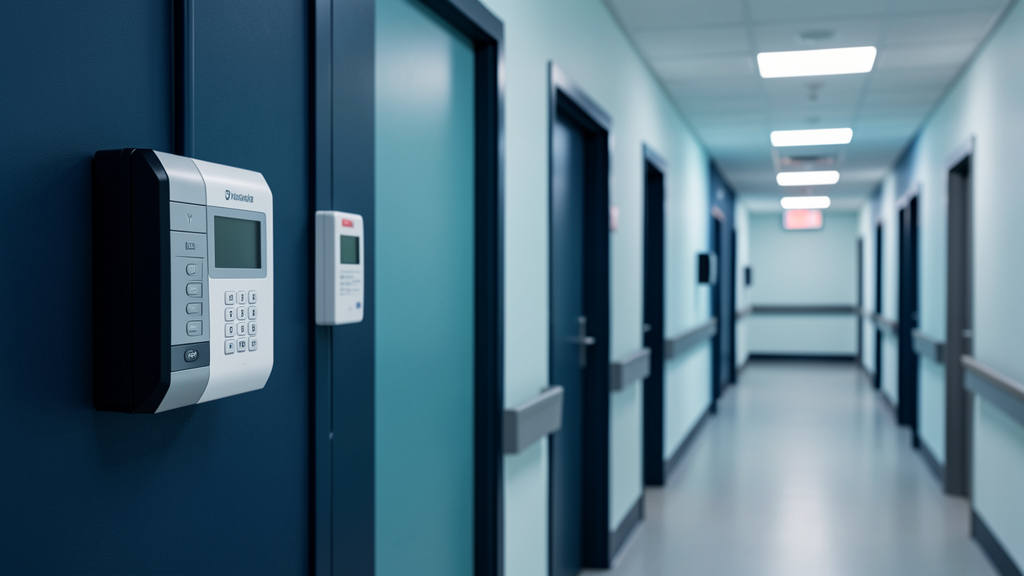
Telecom in Senior Living Isn't Just About Phones — It's About Life Safety
Senior living operators face a telecom challenge that most industries don't. In a corporate office, a dead phone line is an inconvenience. In a senior living facility, it can mean a resident can't call for help, a fire alarm can't reach the monitoring center, or an elevator emergency phone goes silent.
The stakes are high, the regulations are specific, and — critically — the underlying technology most facilities depend on is being retired. Copper POTS lines, which have connected fire panels, elevator phones, and nurse call systems for decades, are being decommissioned by carriers nationwide. For operators who haven't planned their migration, the risk is growing by the month.
NFPA 72 and Fire Alarm Monitoring: What You're Required to Have
NFPA 72, the National Fire Alarm and Signaling Code, governs fire detection and alarm systems in virtually every senior living facility in the United States. The code requires that fire alarm control units (FACUs) maintain a reliable communication path to a supervising station — typically a central monitoring center.
For decades, that communication path was two dedicated copper POTS lines, providing physical redundancy if one line failed. Today, NFPA 72 permits alternative transmission methods, including:
- Cellular communicators: Purpose-built cellular radios that connect to the FACU and transmit alarm signals over 4G/5G networks. These are typically the simplest drop-in replacement for copper.
- IP communicators: Network-based communicators that use your facility's internet connection, often with cellular backup for redundancy.
- Dual-path solutions: Systems that combine cellular and IP paths, meeting and often exceeding the redundancy requirements that copper POTS lines were meant to address.
The key is that the communication method must be listed for fire alarm use (UL 864 compliant) and must provide equivalent or better reliability than the copper lines it replaces. Off-the-shelf cellular modems won't cut it — the communicator must be purpose-built for life safety.
Elevator Phones: ASME A17.1 Requirements
Every elevator in your facility is required to have an emergency phone that connects occupants to a 24/7 answering service. ASME A17.1 (Safety Code for Elevators and Escalators) specifies that this phone must operate even during a power failure and must connect without requiring the user to dial.
Like fire alarms, elevator phones have historically relied on POTS lines. The 2019 edition of A17.1 explicitly permits wireless alternatives, but your local Authority Having Jurisdiction (AHJ) may have additional requirements or inspection procedures. Before replacing an elevator's POTS line with a wireless device, verify:
- The cellular signal strength inside the elevator shaft and car (steel and concrete are hostile to RF)
- The wireless device's battery backup duration during a power outage
- Whether your AHJ requires a specific listing or approval for wireless elevator communicators
Nurse Call Systems: The Hidden Dependency
Nurse call systems — the pull cords, call buttons, and pendant alarms that residents use to summon assistance — are the heartbeat of senior living operations. Many older nurse call systems use POTS lines to transmit alerts to nursing stations, pagers, or off-site monitoring services.
Modernizing nurse call telecom is often the most complex part of a migration because the systems themselves may predate IP networking. A wireless POTS replacement device that emulates copper dial tone can bridge the gap, preserving the existing nurse call hardware investment while eliminating the copper dependency. This approach lets operators decouple the telecom migration from a full nurse call system upgrade — which may be a multi-year, multi-million-dollar capital project.
Auditing Your Current Setup
Before planning any migration, you need a complete inventory. Walk every facility and document:
- Every POTS line: Identify what it connects to (fire panel, elevator, nurse call, security, fax, gate phone, building management system) — the "what" is more important than the count.
- Line numbers and carriers: Who provides each line and what's the circuit ID? This matters when the disconnect notice arrives.
- Monitoring contracts: Which third-party monitoring companies are at the other end of your fire alarm and elevator phone lines? They'll need to be part of the migration conversation.
- Compliance documentation: When was each system last inspected? Having current documentation ready for your AHJ streamlines the approval process.
Migration Strategies That Maintain Compliance
The safest approach is a phased migration:
- Start with fire alarms: Life safety first. Replace POTS-dependent fire communicators with listed cellular or dual-path alternatives. Test thoroughly and notify your AHJ.
- Address elevators next: Work with your elevator service provider to install approved wireless communicators. Test signal strength in every elevator car.
- Tackle nurse call and ancillary systems: Once life safety systems are migrated, address nurse call, security panels, building management, and any remaining POTS lines.
- Maintain documentation: Every step should be documented for future inspections. If an AHJ asks you to prove compliance, you want a three-ring binder — not a scramble.
Cost Comparison: Copper vs. Modern Alternatives
The financial case for migration is straightforward. A single copper POTS line typically costs $50–$150 per month, and prices are rising as carriers deprioritize the copper network. A multi-facility operator with 80 POTS lines is spending $48,000–$144,000 annually on line charges alone — before maintenance, troubleshooting, and downtime costs.
Modern alternatives — cellular POTS replacement devices, IP communicators, and managed wireless solutions — typically range from $25–$60 per line per month, and often include remote monitoring, automatic failover, and centralized management as standard features. For the operator with 80 lines, that's a potential annual savings of $25,000–$100,000.
Need help auditing your senior living telecom infrastructure? TrustedNetworx specializes in compliance-safe POTS replacement for multi-facility operators. Schedule a consultation and we'll walk through your portfolio, identify every risk point, and build a migration plan that keeps your residents safe and your operations running.
About the author
Carter Dewey
Carter Dewey is CEO & Founder of TrustedNetworx, helping multi-site organizations navigate telecom modernization, POTS replacement, and AI-powered operations — translating complex infrastructure challenges into practical, phased migration roadmaps.